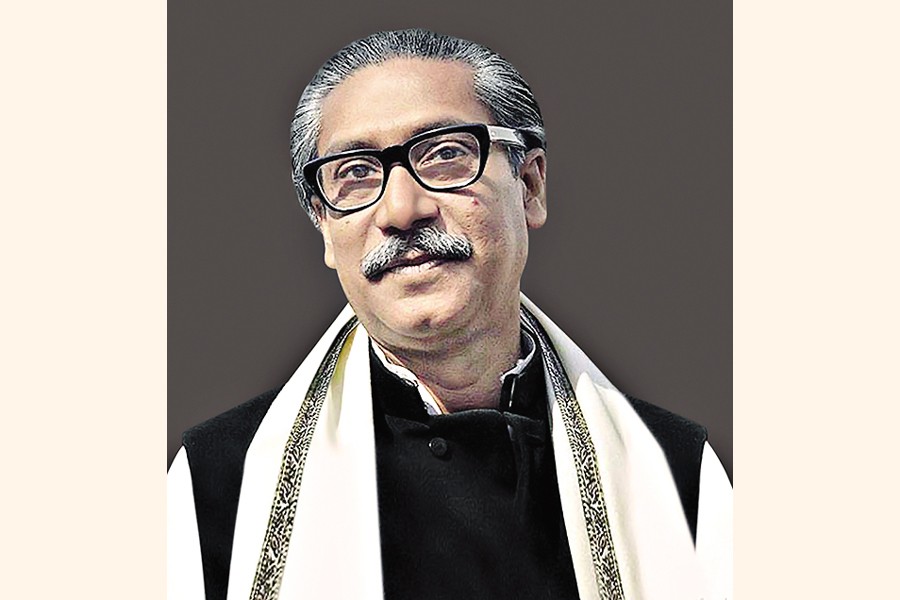
Sheikh Mujibur Rahman, often revered as the ‘Father of the Nation’ in Bangladesh, was a visionary leader whose unwavering commitment to his people led to the birth of an independent country. His journey from a young political activist to the founding leader of Bangladesh is a story of resilience, sacrifice, and unwavering dedication to justice and democracy.
Early Life and Political Awakening
Sheikh Mujibur Rahman was born on March 17, 1920, in Tungipara, a small village in the Gopalganj district of British India (now Bangladesh). From an early age, he exhibited leadership qualities and a deep concern for the well-being of his fellow citizens. As a student, he was drawn to politics and became actively involved in the struggle against British colonial rule.
His involvement in politics intensified when he joined the All India Muslim League. However, he soon realized that the newly formed state of Pakistan, after the partition of India in 1947, did not serve the interests of the Bengali people. The central government of Pakistan marginalized East Pakistan (now Bangladesh), leading Mujib to become a vocal advocate for Bengali rights.
Champion of Bengali Nationalism
Sheikh Mujib played a crucial role in the Language Movement of 1952, which sought recognition of Bengali as one of the state languages of Pakistan. His leadership in this movement earned him widespread recognition and solidified his position as the champion of Bengali nationalism.
In 1949, he co-founded the Awami League, which became the principal political party advocating for the autonomy of East Pakistan. Over the years, he was imprisoned multiple times for his activism, but his resolve only strengthened. His famous Six-Point Movement in 1966 became the blueprint for East Pakistan’s demand for autonomy, marking a turning point in the struggle for self-rule.
The Road to Independence
The political climate in Pakistan reached a breaking point in 1970 when Sheikh Mujib led the Awami League to a landslide victory in the general elections. Despite winning a clear majority, the Pakistani government refused to transfer power to Mujib, igniting mass protests and a demand for independence.
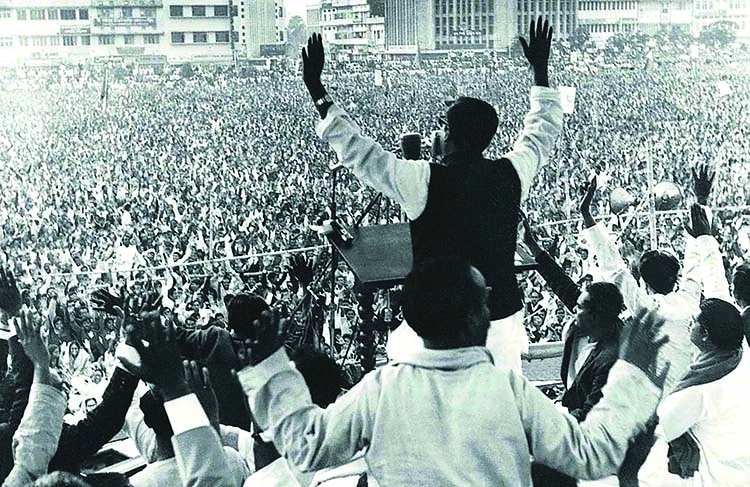
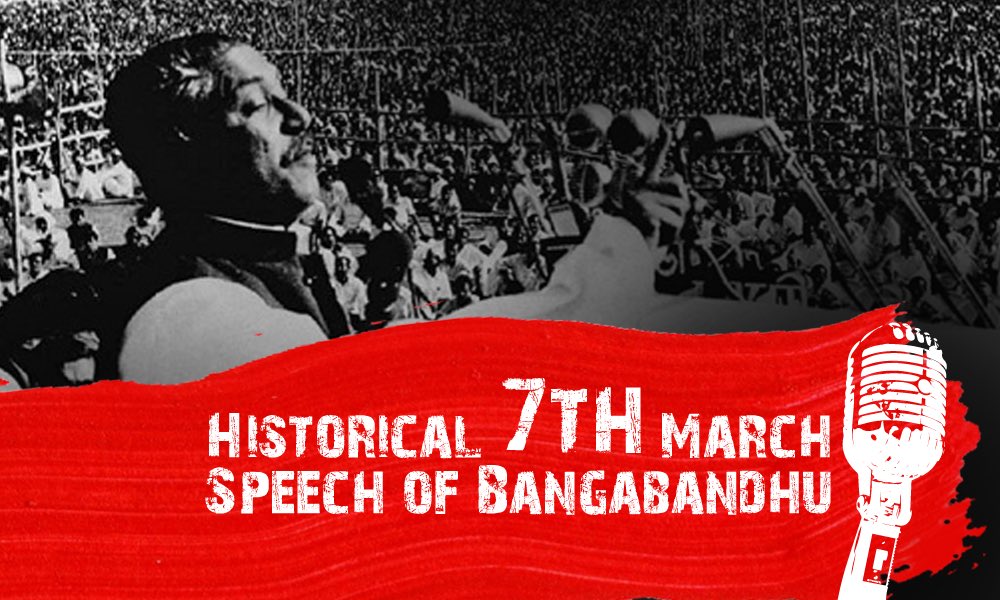
On March 7, 1971, Mujib delivered his historic speech at the Racecourse Ground (now Suhrawardy Udyan), urging the people to prepare for the ultimate struggle. When negotiations failed, and the Pakistani military launched ‘Operation Searchlight’ on March 25, 1971, Mujib was arrested and taken to West Pakistan. However, his call for resistance had already ignited the Bangladesh Liberation War. Under his leadership, the Mukti Bahini (Liberation Army) fought a nine-month-long war that resulted in the birth of Bangladesh on December 16, 1971.
Post-Independence Leadership and Tragic Assassination
Upon returning to Bangladesh in January 1972, Sheikh Mujib took on the monumental task of rebuilding a war-ravaged nation. As the first President and later Prime Minister, he introduced policies aimed at economic development, social justice, and national unity. However, challenges such as economic instability, political unrest, and foreign conspiracies plagued his administration.
On August 15, 1975, Sheikh Mujib, along with most of his family members, was assassinated in a military coup. His tragic death left a deep scar on the nation, but his ideals of democracy, secularism, and nationalism continued to inspire generations.
Legacy and Influence
Today, Sheikh Mujibur Rahman remains an enduring symbol of Bangladesh’s struggle for independence and self-determination. His contributions are honored through various institutions, monuments, and historical narratives. His daughter, Sheikh Hasina, continues to uphold his legacy as the Prime Minister of Bangladesh, further shaping the country’s progress.
Sheikh Mujib’s life story is a testament to the power of perseverance and the unwavering commitment to justice. His dream of a free and prosperous Bangladesh lives on in the hearts of millions, making him an eternal figure in the history of the nation.